Autumn is one of the most productive times to start a vegetable garden. With the right crops and conditions, even a small setup can deliver steady harvests through winter.
Autumn is often seen as the point where the garden slows down.
In practice, it’s when conditions become more stable and, for many crops, more productive.
After the heat and variability of summer, the soil retains warmth while air temperatures begin to ease. Rainfall becomes more consistent, and plants are able to establish without the stress of intense sun. Growth is steadier, more predictable, and requires less intervention. For home gardeners, it’s one of the most reliable windows to plant.
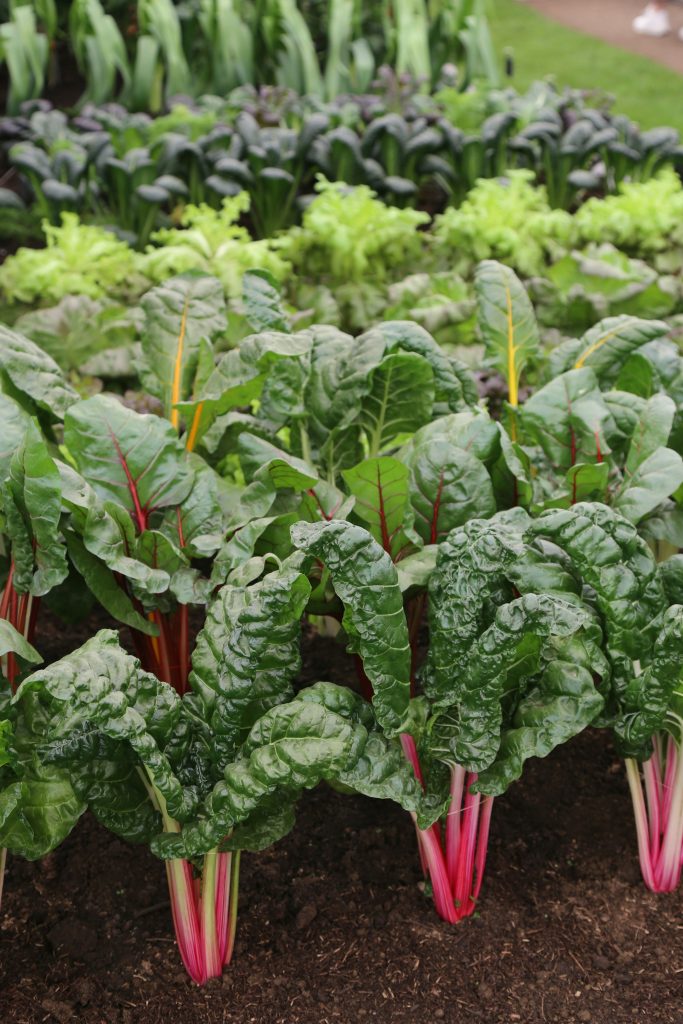
What goes in the ground now is different from summer. Autumn favours crops that perform in cooler conditions and don’t rely on long daylight hours. Leafy greens such as spinach, kale, silverbeet and lettuce establish quickly and continue producing through winter. Brassicas including broccoli, cauliflower and cabbage benefit from getting started early, allowing them to mature over the colder months. Root vegetables like carrots and beetroot also perform well, particularly where soil is loose and well prepared.
Pictured: Winter vegetables to plant now — silverbeet, leafy greens and other cool-season crops thrive in autumn conditions
Garden size shapes the approach, but not the outcome.
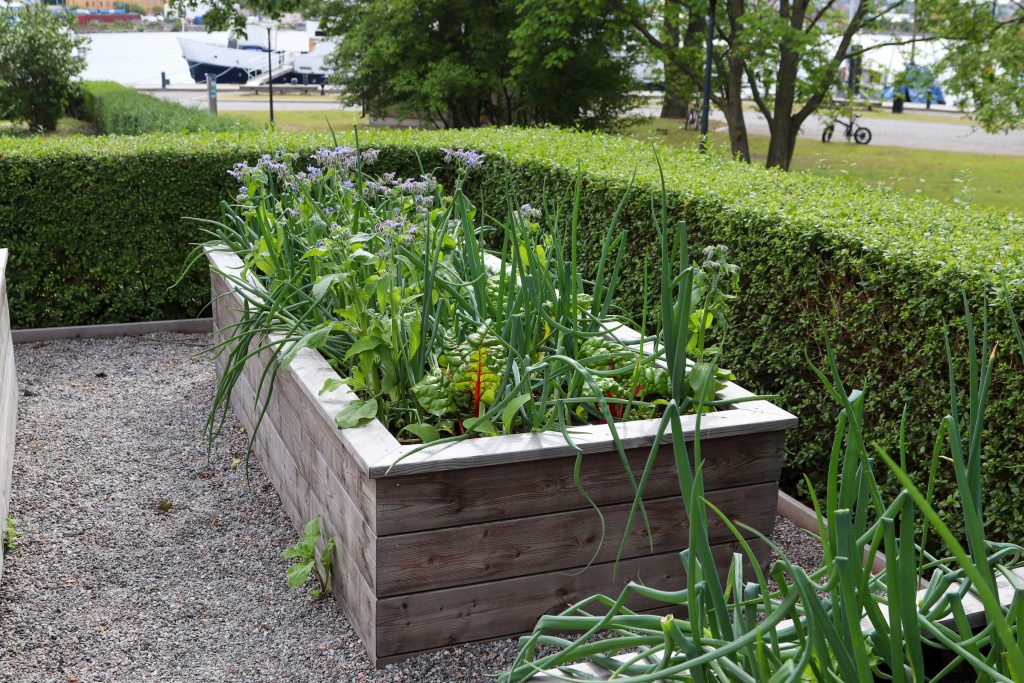
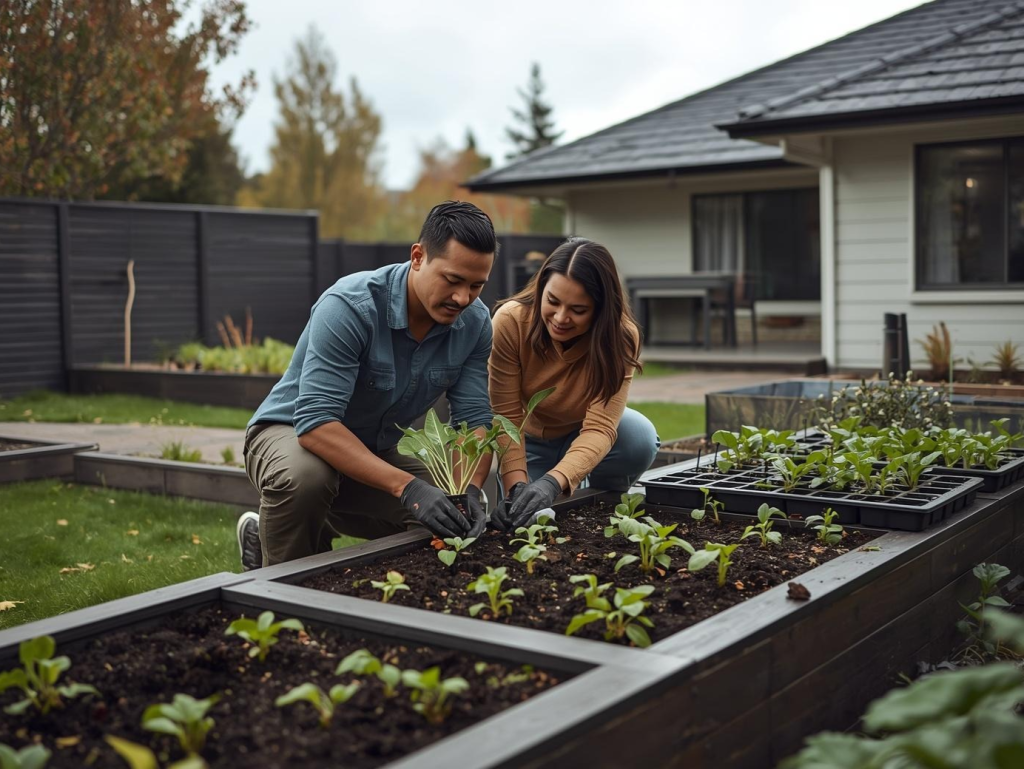
On larger sections, raised beds or defined plots help manage drainage and make it easier to maintain soil quality over time. With the sun sitting lower in the sky, positioning becomes more important, particularly in areas that are shaded in winter. Even small adjustments in location can make a noticeable difference to growth.
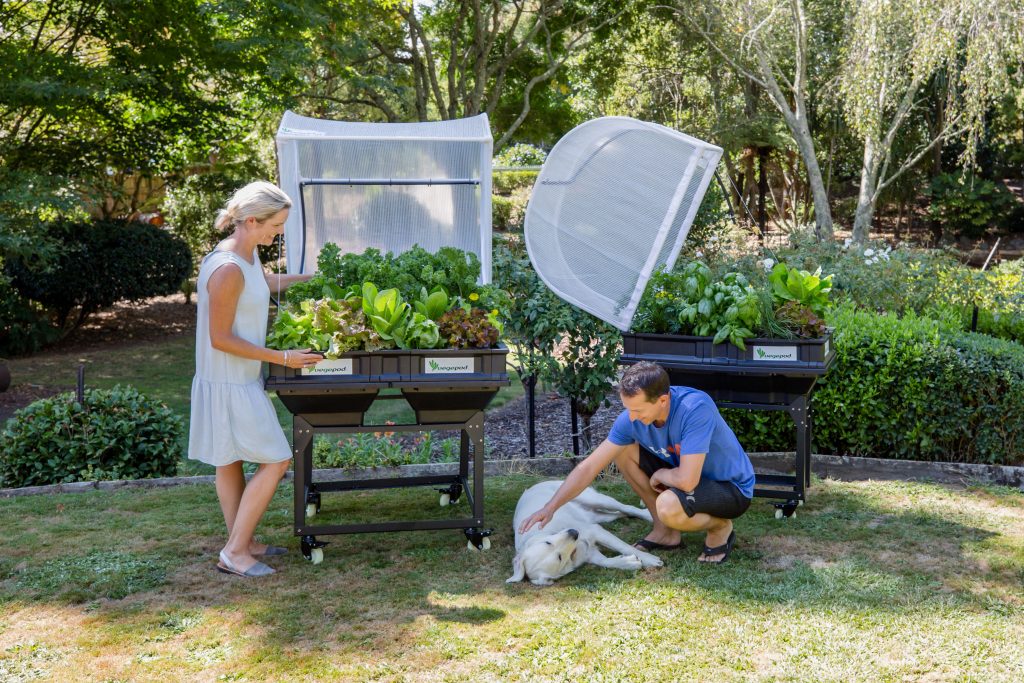
Smaller spaces can be just as effective. Containers, planter boxes and vertical systems are well suited to leafy crops and herbs and allow for flexibility as conditions change. A compact setup can be moved to capture available sunlight or provide shelter when needed. In many cases, a few well-managed containers will deliver more consistent results than a larger, less structured garden.
Picture: Raised beds are an efficient and easy way to grow winter vegetables in compact outdoor areas.
Soil preparation underpins everything.
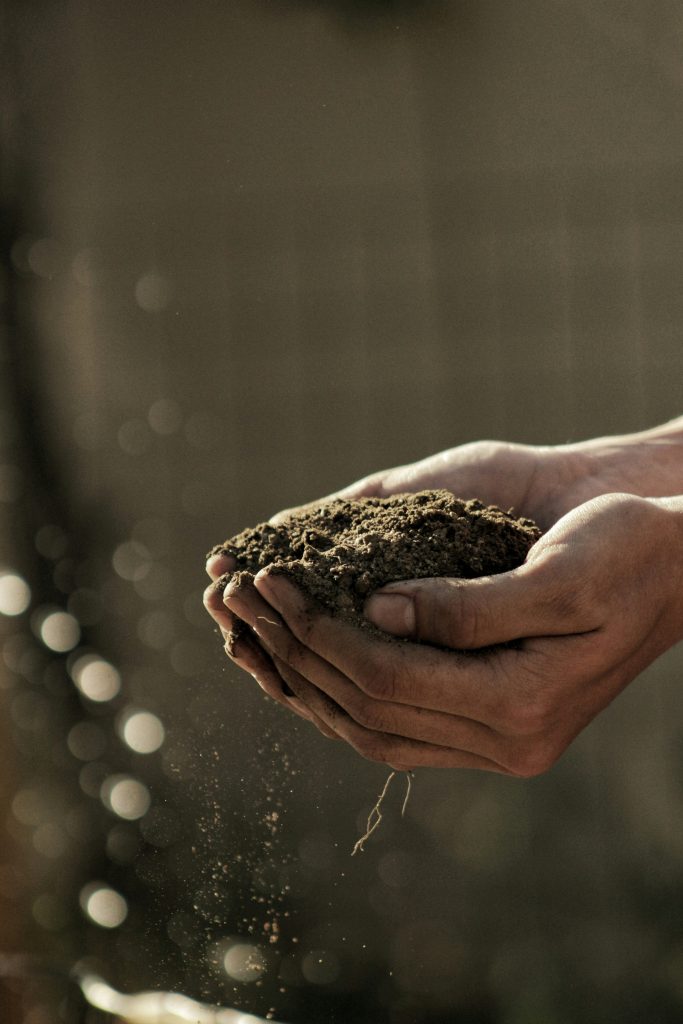
Adding compost or organic matter in Autumn improves structure, supports root development and helps retain moisture through the cooler months. It also reduces the need for ongoing inputs later. Well-prepared soil tends to carry plants further, with fewer issues as conditions tighten.
Pictured: Adding compost and organic matter in autumn improves structure, supports root growth, and helps retain moisture through the cooler months.
Smart planting for consistant crops
There is also a growing awareness of how useful a productive garden can be beyond the immediate season. With the cost and availability of fresh produce fluctuating at times, having even a modest supply at home provides a level of consistency that is hard to replicate otherwise.
Autumn is the point where that consistency begins. Planting now allows crops to establish in stable conditions and continue producing as temperatures drop. The result is a steady supply of greens, vegetables and herbs through winter, when they are often most valued.
It’s a simple shift in timing, but one that changes how the garden performs across the entire season.
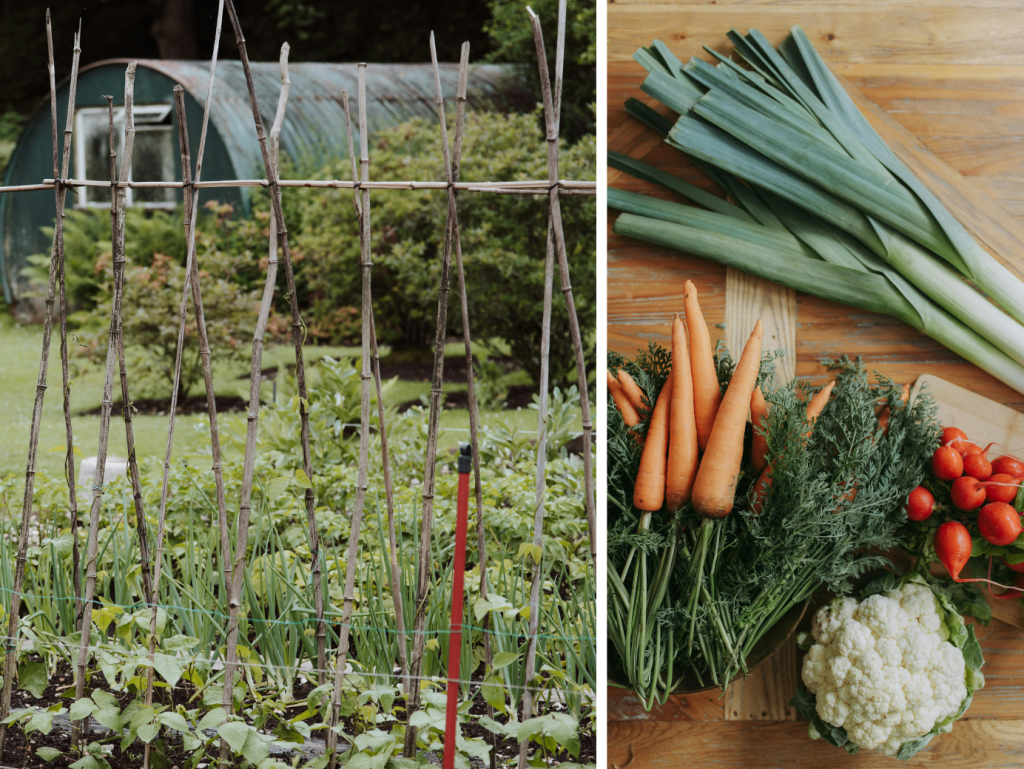
Pictured: Seasonal vegetables provide a steady harvest throughout the winter months.
What to Plant in April/May
April is one of the most reliable planting months. Soil is still warm, rainfall is more consistent, and cooler temperatures suit hardy vegetables that grow steadily through winter.
Leafy greens
Spinach, silverbeet, kale, lettuce and rocket all establish quickly and keep producing.
Brassicas
Broccoli, cauliflower, cabbage and bok choy benefit from getting started now.
Root vegetables
Carrots, beetroot, radish and turnips perform well in cooler conditions.
Alliums and herbs
Spring onions, onions, garlic, parsley and coriander are all suitable for April-May planting.
Autumn Planting Tips
Choose the sunniest position available
Improve soil with compost before planting
Protect seedlings from heavy rain and wind
Use containers where ground space is limited
Water less often, but deeply
Planting now allows crops to establish in stable conditions and produce steadily through winter.