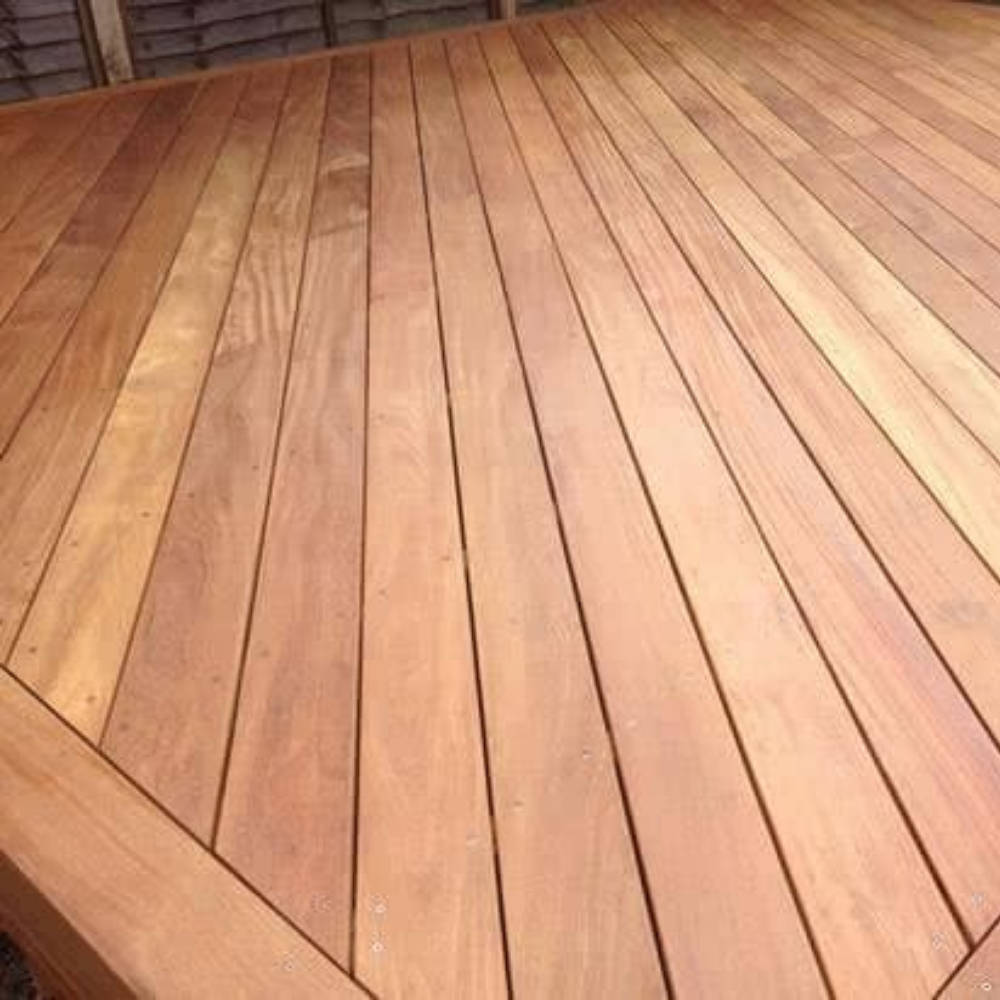
Decks are a defining feature of the modern Kiwi home. They extend living spaces outdoors, connect interiors with the landscape, and create areas for entertaining, relaxing and everyday use. With the right care, a well-built deck can perform for many years, but it does require ongoing attention.
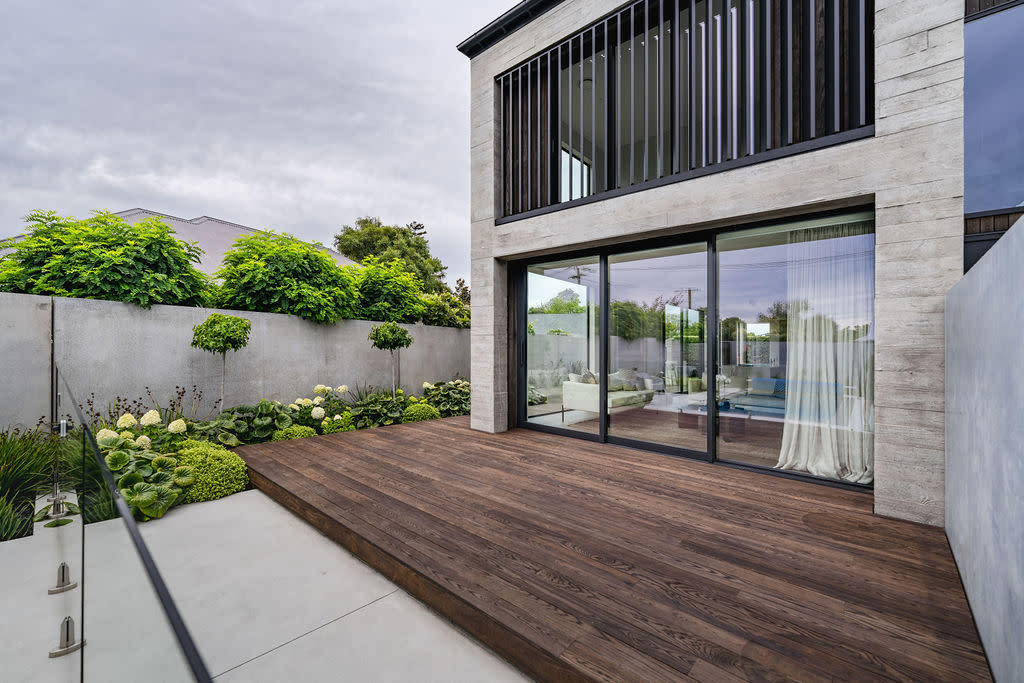
Pictured: stunning decking project in Thermory Ash Decking from One Stop Deck Shop
Unlike hard outdoor surfaces, most decks are made from exposed materials. Timber decking in particular is constantly dealing with moisture, UV exposure, foot traffic and the build-up of moss, mould and bacteria. Composite or polymer decking reduces some of these pressures but introduces others, including heat retention and expansion in direct sun.
Understanding how your deck is built is the starting point for maintaining it properly. Fixings play a key role in both performance and longevity. Nails can loosen over time as timber expands and contracts, often leading to squeaks or lifted boards. Screws provide a more secure fixing, but installation matters. A poorly set screw can create a small indentation around the head where water collects. Over time, this pooled moisture accelerates rot at the exact point where the board needs its strength. Hidden fixing systems, commonly used with composite decking and some premium timber systems, allow boards to expand and contract while maintaining a clean, consistent finish.
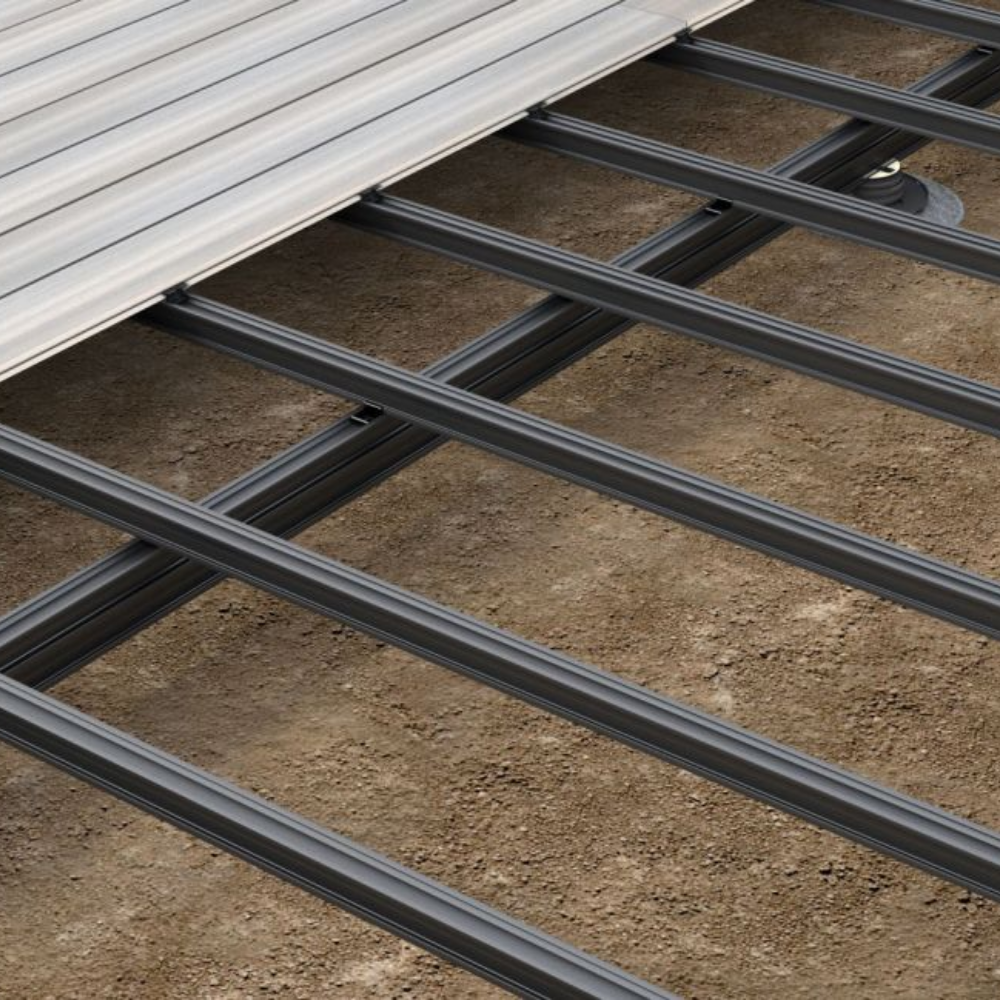
Pictured: Floating Deck Solution from Decking Direct
Material choice also influences how a deck performs over time. Treated pine is cost-effective and widely available but requires regular maintenance and is more susceptible to wear and movement. Hardwoods such as kwila or vitex offer greater durability and visual richness, though they still require cleaning and oiling to perform well. Composite or polymer decking provides a low-maintenance alternative with consistent appearance, although it can retain heat and often requires specific fixing systems. Thermally modified timber sits between these options, offering improved stability and moisture resistance while retaining a natural timber look.
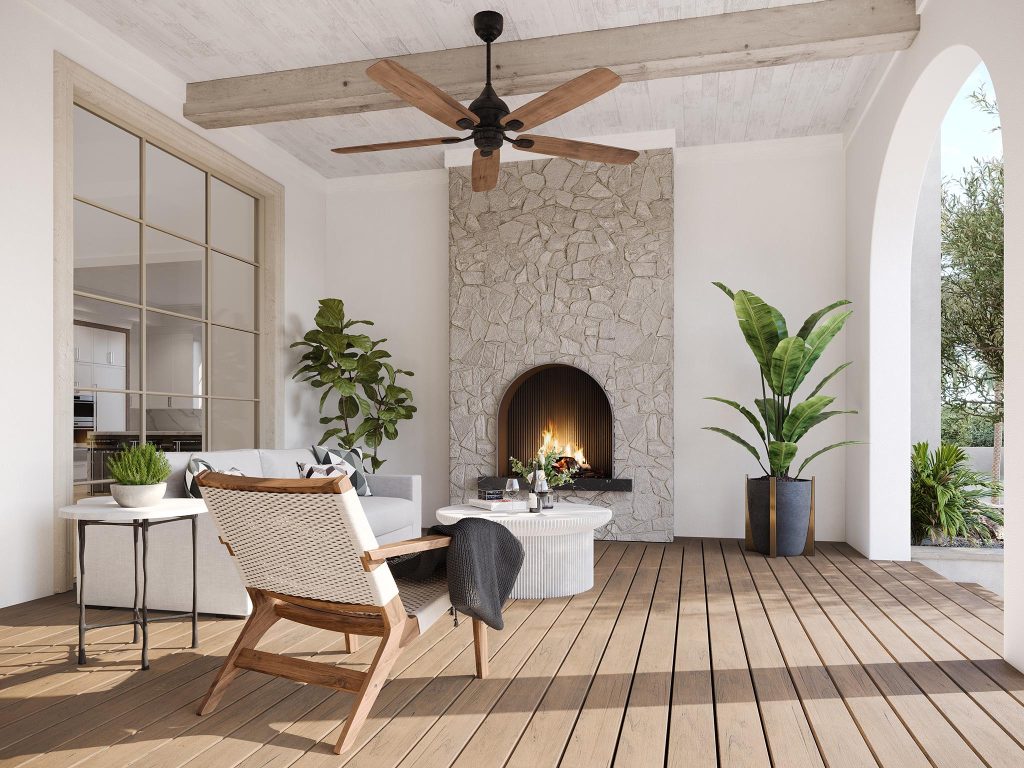
Pictured: No-nails decking. Composite decking from Hurfords
Regular cleaning is essential regardless of the material. Organic build-up is one of the main causes of deterioration. Sweeping frequently removes debris before it can break down. Using a deck cleaner helps manage mould and moss, while avoiding harsh water blasting protects the integrity of timber fibres. Shaded or damp areas should be monitored more closely, as these conditions accelerate growth.
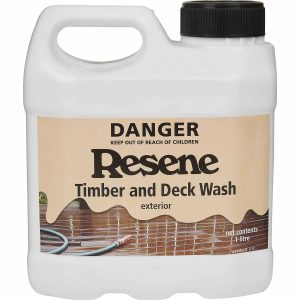
Pictured: Resene timber and deck wash
When it comes to finishes, the approach matters. Painting a timber deck creates a surface film that traps moisture and prevents the timber from breathing. As the deck expands and contracts, that film will crack and peel, often within a short period. Once this cycle begins, maintenance becomes ongoing and difficult.
A penetrating stain or oil is a more appropriate solution. These finishes soak into the timber rather than sitting on top, allowing natural movement while still providing protection from the elements. Composite decking requires less finishing but still benefits from routine cleaning and inspection, particularly around joins and fixings.

Maintaining a deck is less about major intervention and more about consistency. Small, regular actions protect the structure, extend the life of the materials and preserve how the space functions. A well-maintained deck continues to support outdoor living across the seasons, remaining one of the most valuable and widely used areas of the home.