Reducing heat in your home with shade doesn’t have to be complex. Strategic planting, louvres and shutters can dramatically improve indoor comfort during hot weather.
Keeping a home cool in summer does not always require mechanical cooling. In many cases, the most effective improvements start with managing sunlight before it becomes heat. Thoughtful shading can significantly reduce indoor temperatures, glare, and reliance on air conditioning, often with relatively simple and well-considered interventions.
External shading plays the most important role because it prevents heat from entering the building in the first place. Modern homes are built to be tightly sealed for energy efficiency, but that same performance can create problems when sunlight is not properly managed.
Large areas of glazing, dark exterior materials, and unshaded north, or west-facing windows can allow significant solar heat gain, quickly driving internal temperatures beyond comfortable levels. In well-insulated, airtight homes, that heat has nowhere to escape, leading to interiors that overheat even on mild days.
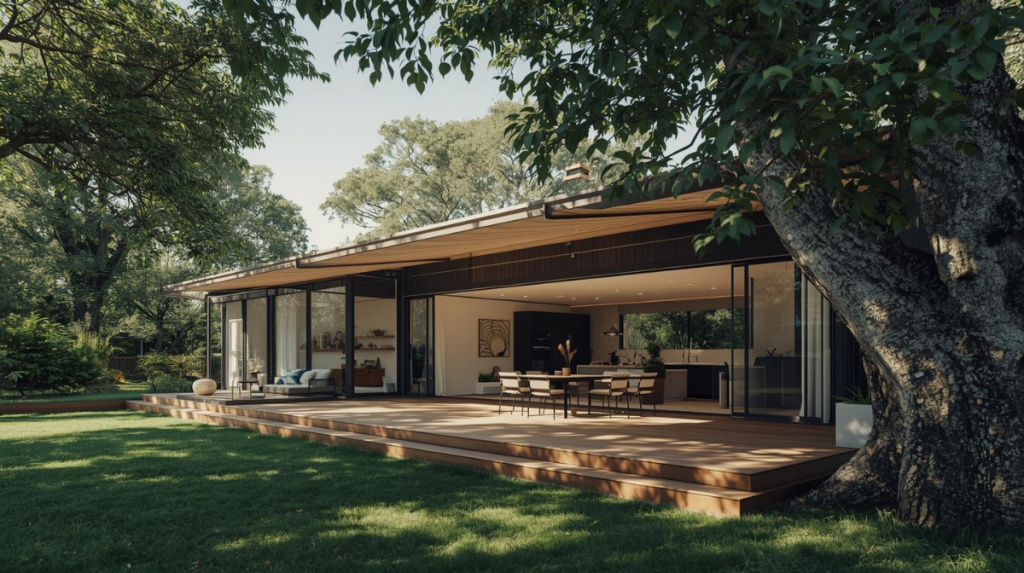
So, the indoor heat problem is often best managed with an outdoor solution! Trees, pergolas, awnings, and external louvres reduce the amount of direct sunlight striking glazing and exterior walls. By blocking sun at the source, these elements can dramatically change how spaces feel throughout the day. Well-placed shade helps keep interiors cooler, protects finishes from UV damage, and improves comfort without sacrificing natural light.
Planting is one of the most effective and adaptable shading tools. Deciduous trees and climbing plants provide shade in summer while allowing sunlight through in winter once leaves drop. Pergolas fitted with adjustable slats or retractable coverings allow homeowners to respond to changing conditions, offering shade when it is needed most and openness when it is not.
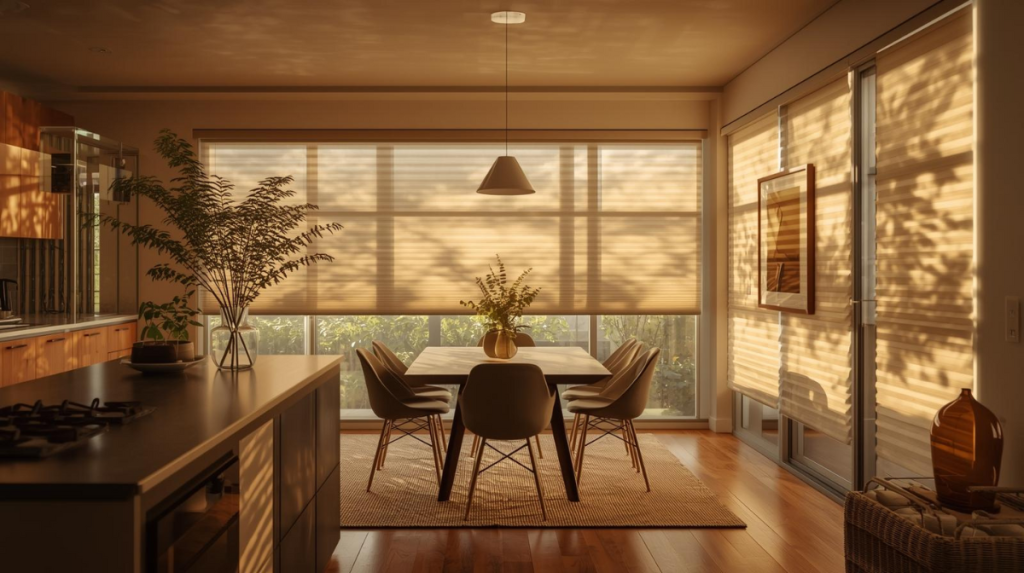
Internal shading solutions such as shutters, blinds, and screens work alongside external measures. They help manage glare, protect furnishings, and fine-tune light levels during peak heat. While internal shading cannot stop heat as effectively as external solutions, it is often easier to retrofit and can still make a noticeable difference, particularly when combined with good ventilation.
Orientation is critical to effective shading. West-facing windows typically cause the greatest overheating, as low afternoon sun is difficult to control. North-facing glazing benefits from overhead shading that blocks high summer sun while still allowing winter warmth. East-facing windows often require lighter solutions to manage morning glare without darkening spaces unnecessarily. Take some time to watch the path of the sun over your home during the year. Understanding how sunlight moves around the home ensures shading works with the building rather than against it.
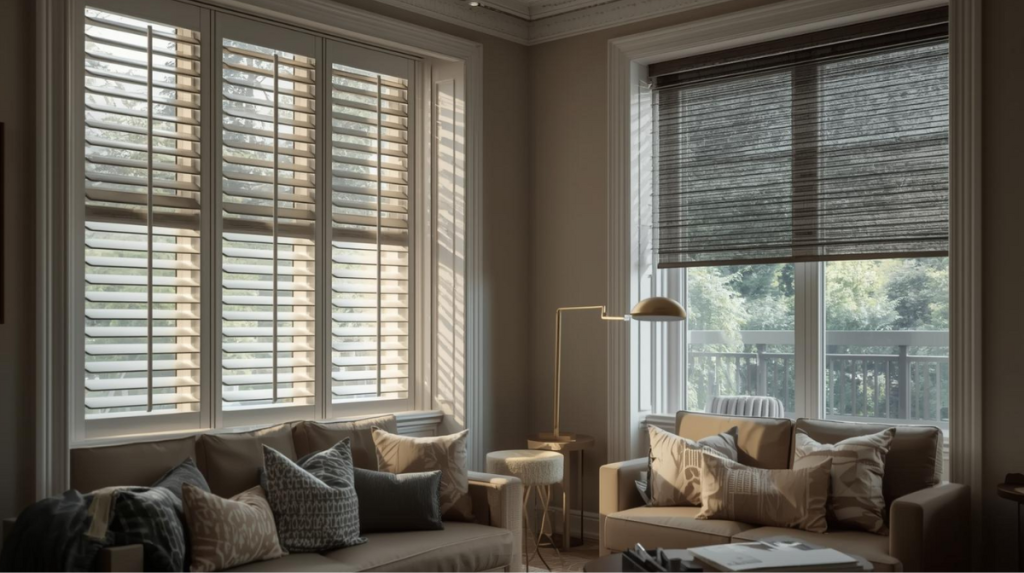
A layered shading strategy combines planting, architectural elements, and internal treatments to manage heat throughout the day and across seasons. Done well, shading is one of the simplest and most cost-effective ways to improve comfort, reduce energy use, and adapt homes to increasingly hot summers — all without relying solely on mechanical cooling.