
Summer is typically the busiest time of year for home renovations. Dry weather, longer daylight hours, and holiday breaks make it easier to plan and complete upgrades. From new bathrooms and kitchens to decks, roofing, and joinery replacements, summer feels like the ideal window to improve a home. But while summer is when work gets done, winter is when the results are tested.
Across New Zealand, leaks and moisture ingress remain one of the most common causes of housing damage. These issues rarely appear immediately. Instead, they emerge months later, once sustained rain, colder temperatures, and higher humidity expose weaknesses in detailing, waterproofing, or drainage. What looked finished and sound in summer can quickly become a problem once winter weather sets in.
Certain parts of the home are particularly vulnerable.
Inside, it is the bathrooms and kitchens that are obvious risk areas, with frequent exposure to water and complex junctions between floors, walls, and fittings.
Outside, roofs and gutters are another critical zone, especially where penetrations, flashings, or membrane systems have been altered.
Decks, balconies, and exterior joinery also sit at the frontline, exposed to weather year-round and reliant on precise detailing to keep moisture out.
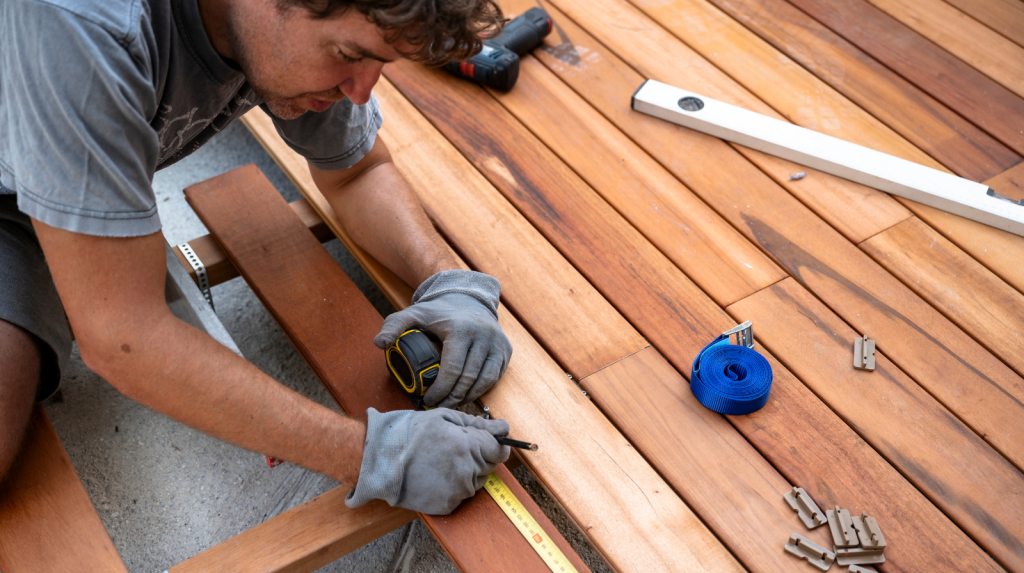
During summer, these risks can be easy to overlook. Dry conditions mean leaks may not be obvious, and newly installed materials often look clean and well-finished. But once winter arrives, small oversights can have outsized consequences. A missing flashing over a newly installed window; a poorly sealed scriber on a door frame; a decking joist that’s nailed through a weatherboard causing it to crack; or inadequate drainage from a gazebo roof — all can allow water to enter wall cavities or floor structures.
And over time, this can lead to damp interiors, mould growth, rotting timber, and in severe cases, structural damage.
The challenge is that many moisture problems are hidden. By the time stains appear on walls or ceilings, damage may already be well advanced. Repairing these issues is often disruptive and expensive, requiring finished surfaces to be removed to access the underlying problem. This is why addressing weather-tightness during renovation work is far more effective than trying to fix problems later.
Every summer renovation represents an opportunity to manage moisture properly. This starts with understanding how water moves around and through a building. Waterproofing systems must be correctly specified and installed, particularly in wet areas and external spaces. Drainage paths need to be clear and sufficient, ensuring water is directed away from the structure rather than trapped against it. Junctions between materials, such as where decks meet walls or windows meet cladding, require particular care.
Material choice also matters. Different products interact in different ways, and not all materials perform equally in exposed conditions. Understanding how membranes, sealants, claddings, and fixings work together as a system is essential to long-term performance. What looks neat on day one may not cope well with seasonal movement, temperature changes, and prolonged moisture exposure.
There’s plenty of easily accessible information renovators and handymen can access to make the job easier and water-resistant. Just go online to sites like Build Magazine, which has a detailed Wall Flashings Build Supplement or the Altus Smartfit Window Installation Guide (PDF) is an Illustrated guide showing head/sill flashing and cladding interfaces. Or any of the popular product suppliers will have info sheet and installation guides.
Timing also plays a role. Addressing weather-tightness during summer allows work to be carried out in favourable conditions, when sealants bond effectively, wood used doesn’t get wet and shrink later and reducing the risk of trapped moisture during construction. It also provides an opportunity to inspect and upgrade existing elements, such as gutters, downpipes, and subfloor ventilation, while other work is underway.
For homeowners, the key takeaway is that appearance alone is not a reliable indicator of performance. A renovation that looks complete in summer should also be able to withstand months of wet weather without issue. Prioritising moisture management protects both the structure of the home and the investment made in upgrading it.